Lifestyle Photography
As a co-founder of Ojo Images, I built one of the best-selling libraries of high-production-value lifestyle imagery in the industry along side five other photographers, all of us freelance suppliers to Getty Images. Each at one time or another among Getty's top-ten sellers, and frequently the top-selling photographer globally. That work eventually led to Getty acquiring the company, and the experience shaped everything about how I photograph people in real settings today.
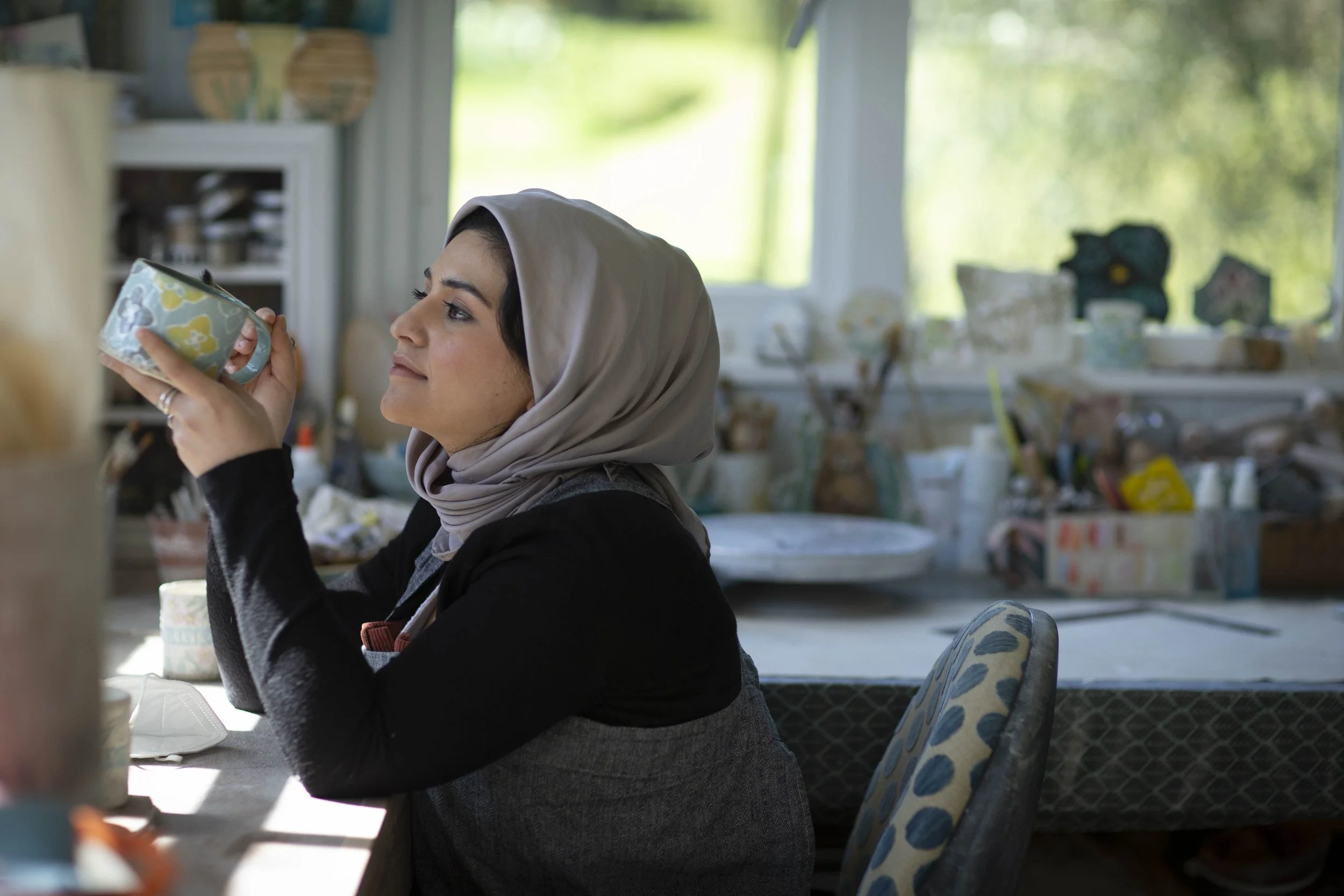
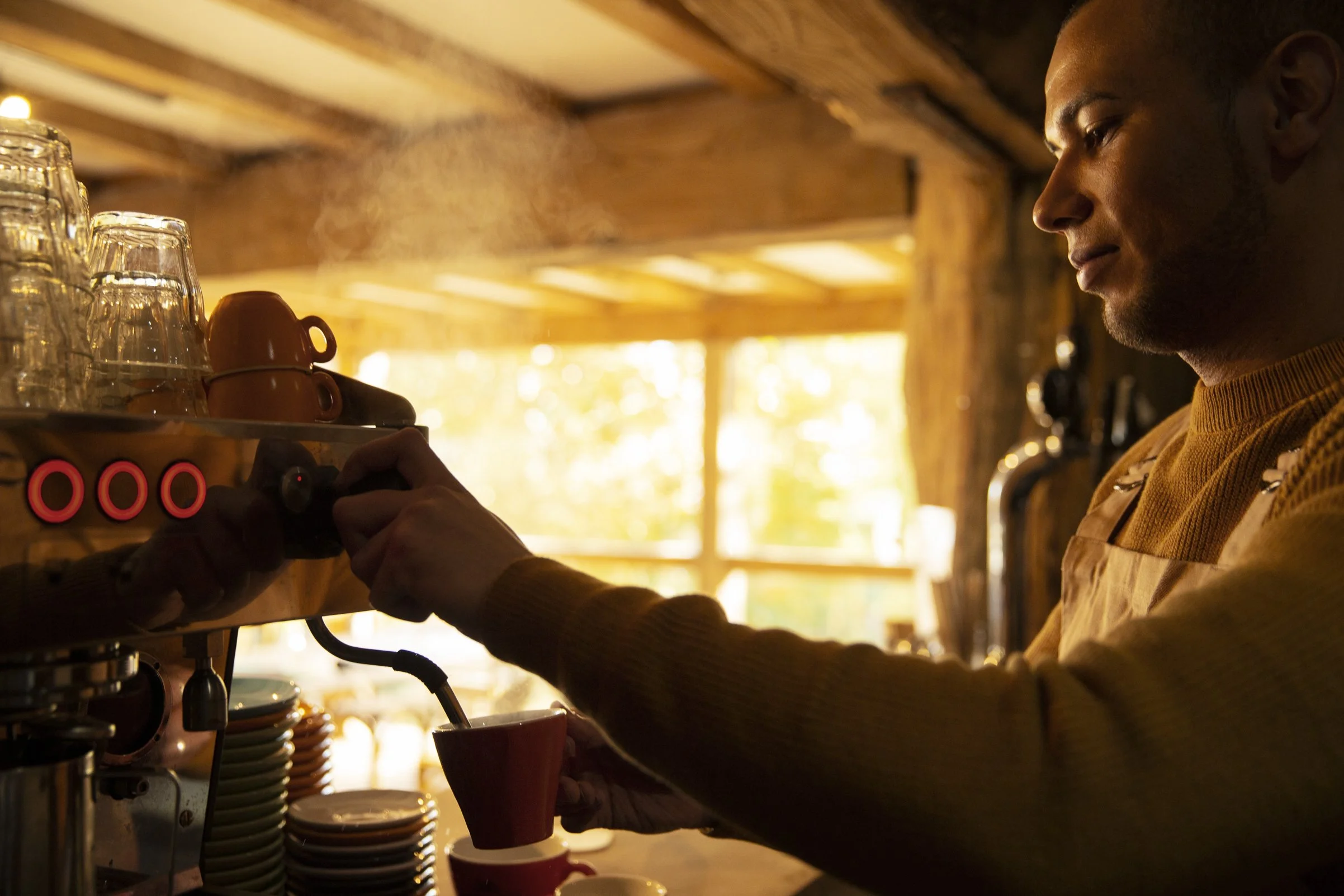
What defines this collection is light, and the planning that light demands. Every location, a working coffee van, a potter's studio, a boardroom thirty storeys up in a building like the Shard, has to be found, negotiated, and secured, often months in advance. Real locations come with real gatekeepers: building management, facilities teams, insurers, sometimes multiple layers of ownership.
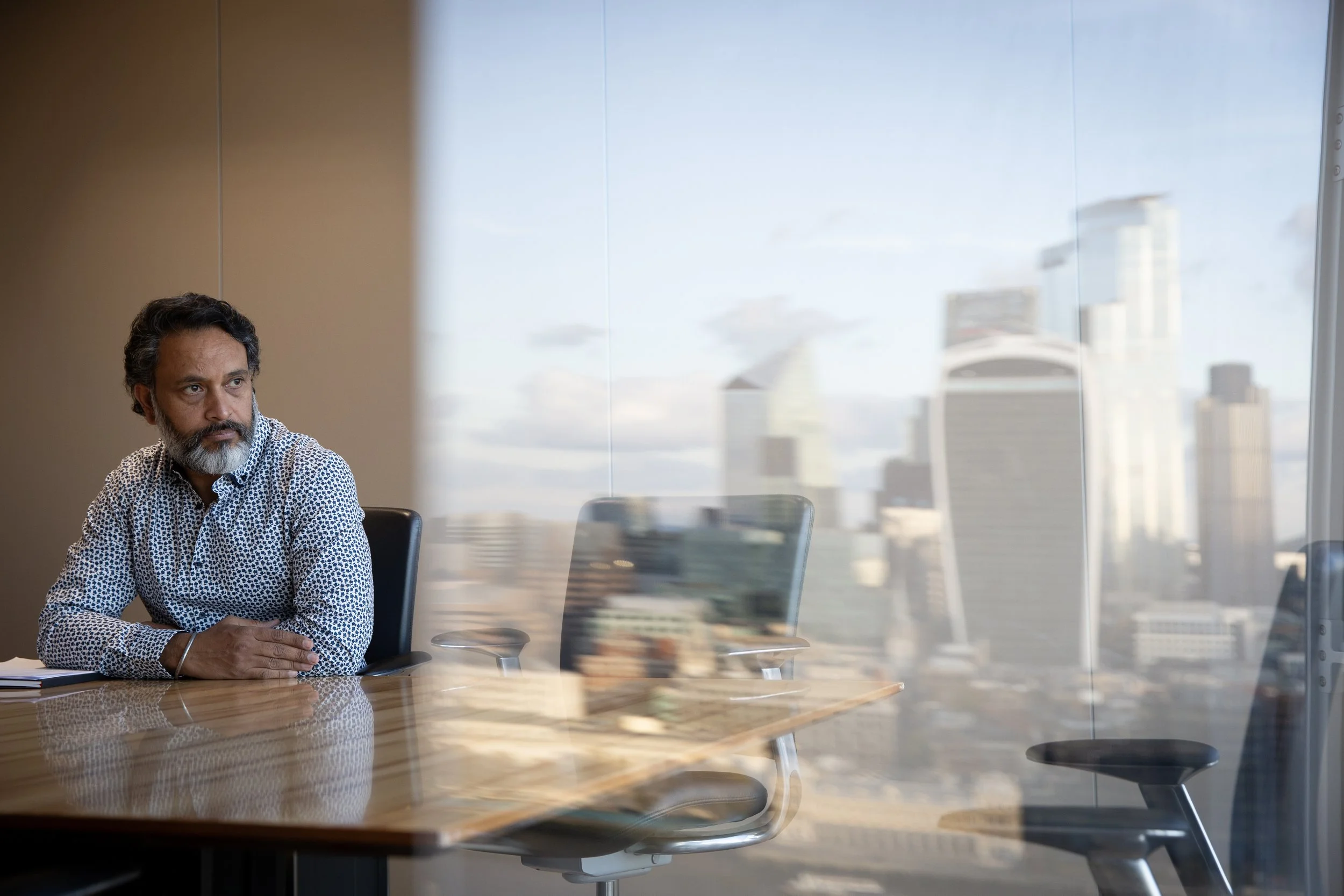
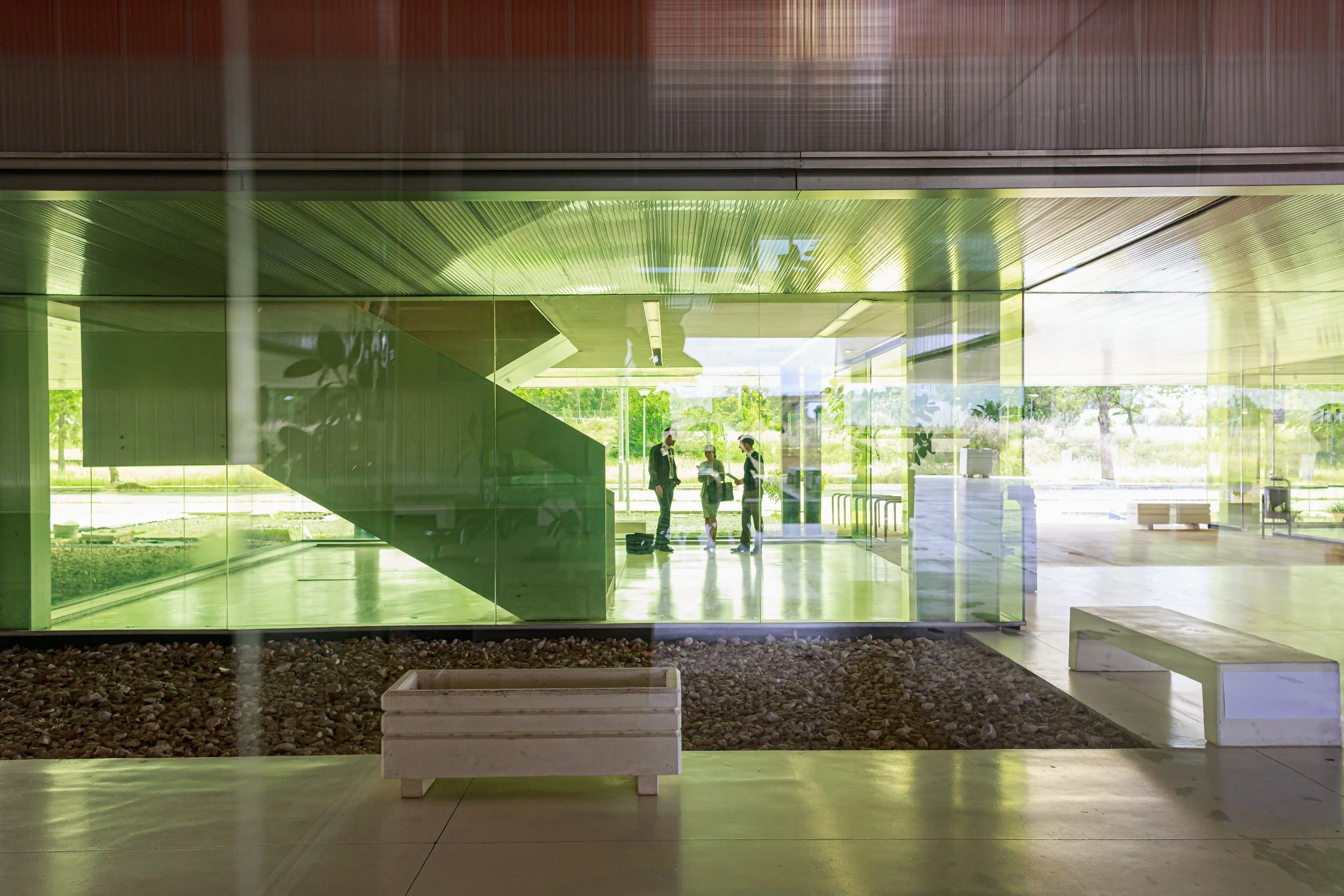
Getting a crew into a space like the Shard means clearing full legal sign-off, security vetting, liability cover, access windows, and health and safety approval, on top of the creative case for why that space is right. None of that is visible in the final image, but all of it is the reason the image exists at all.
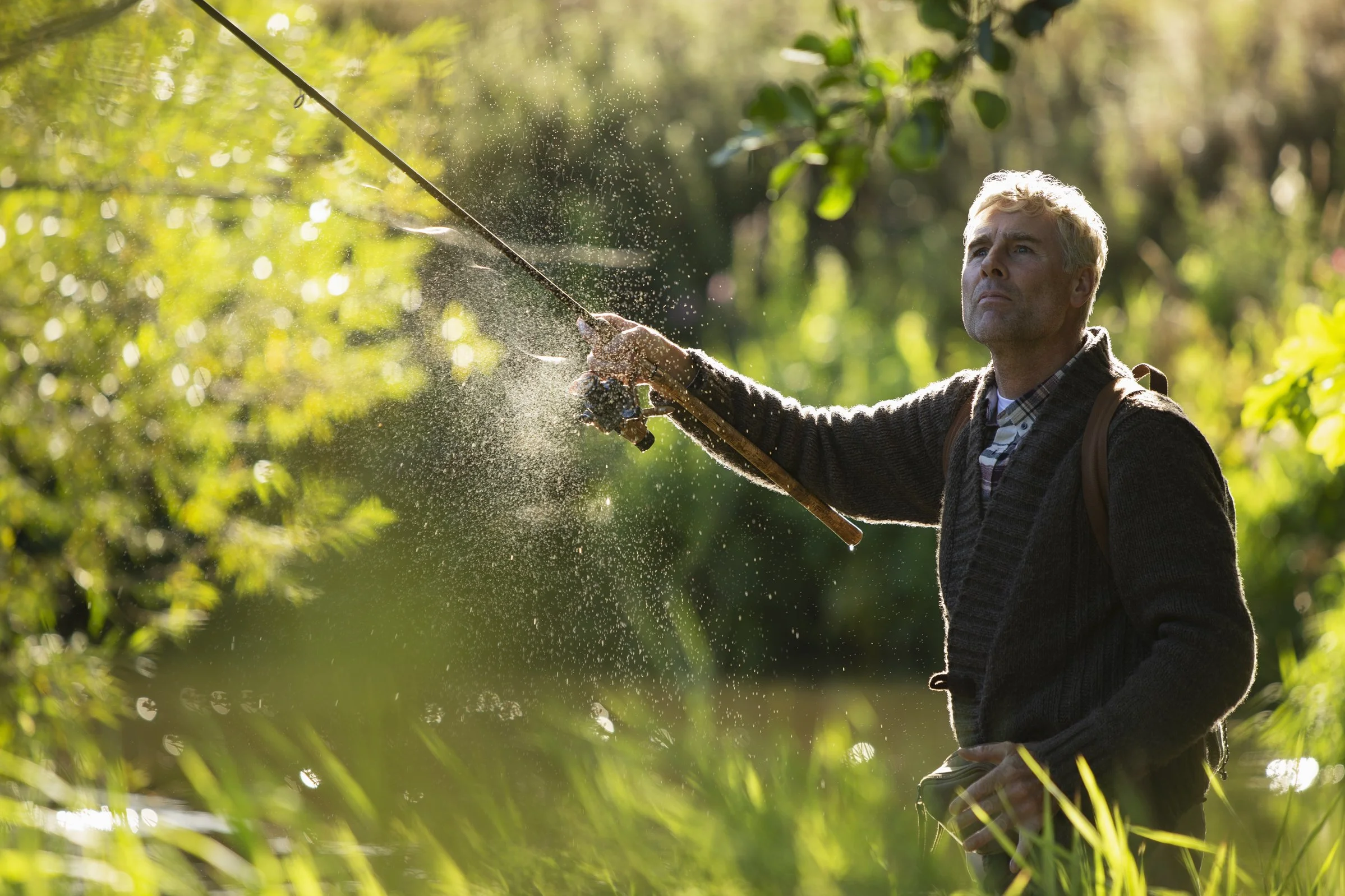
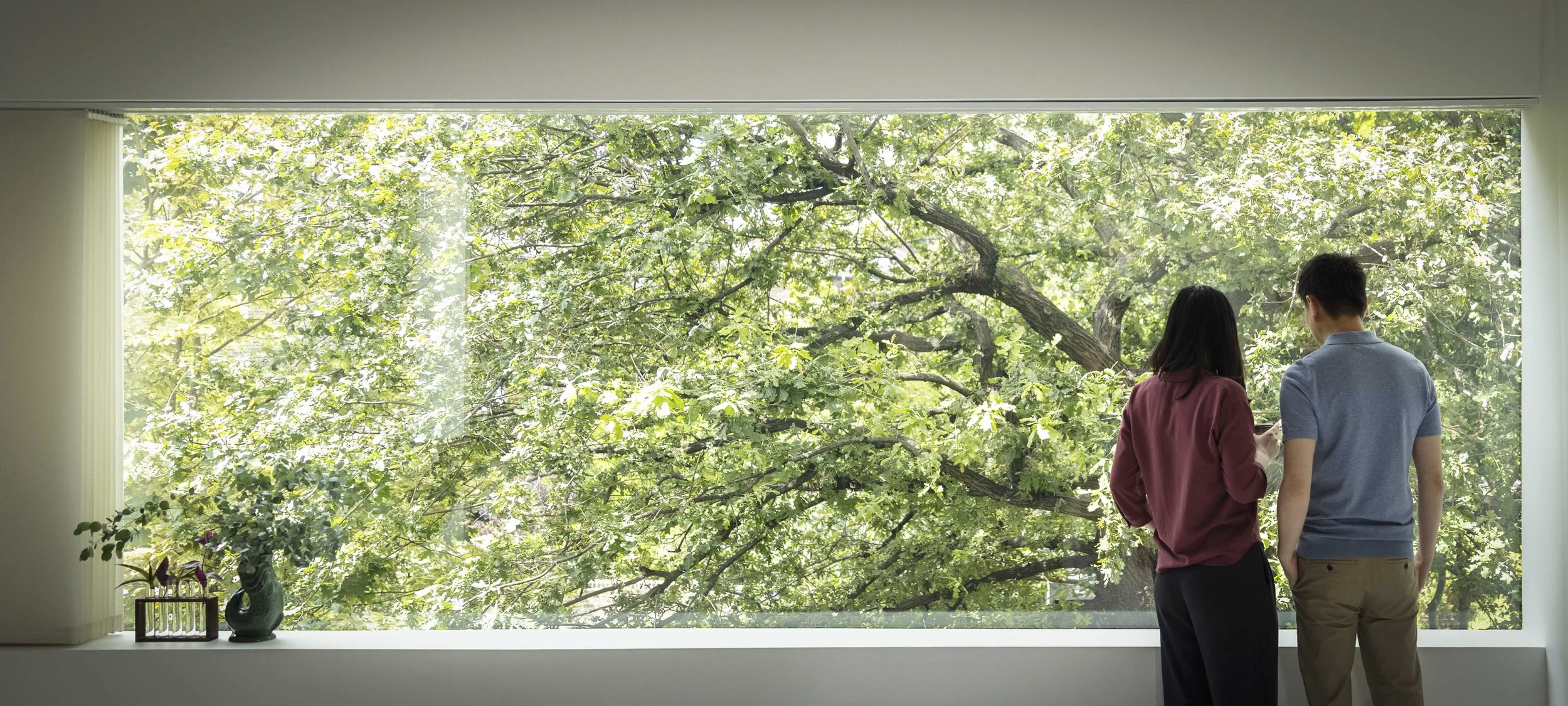
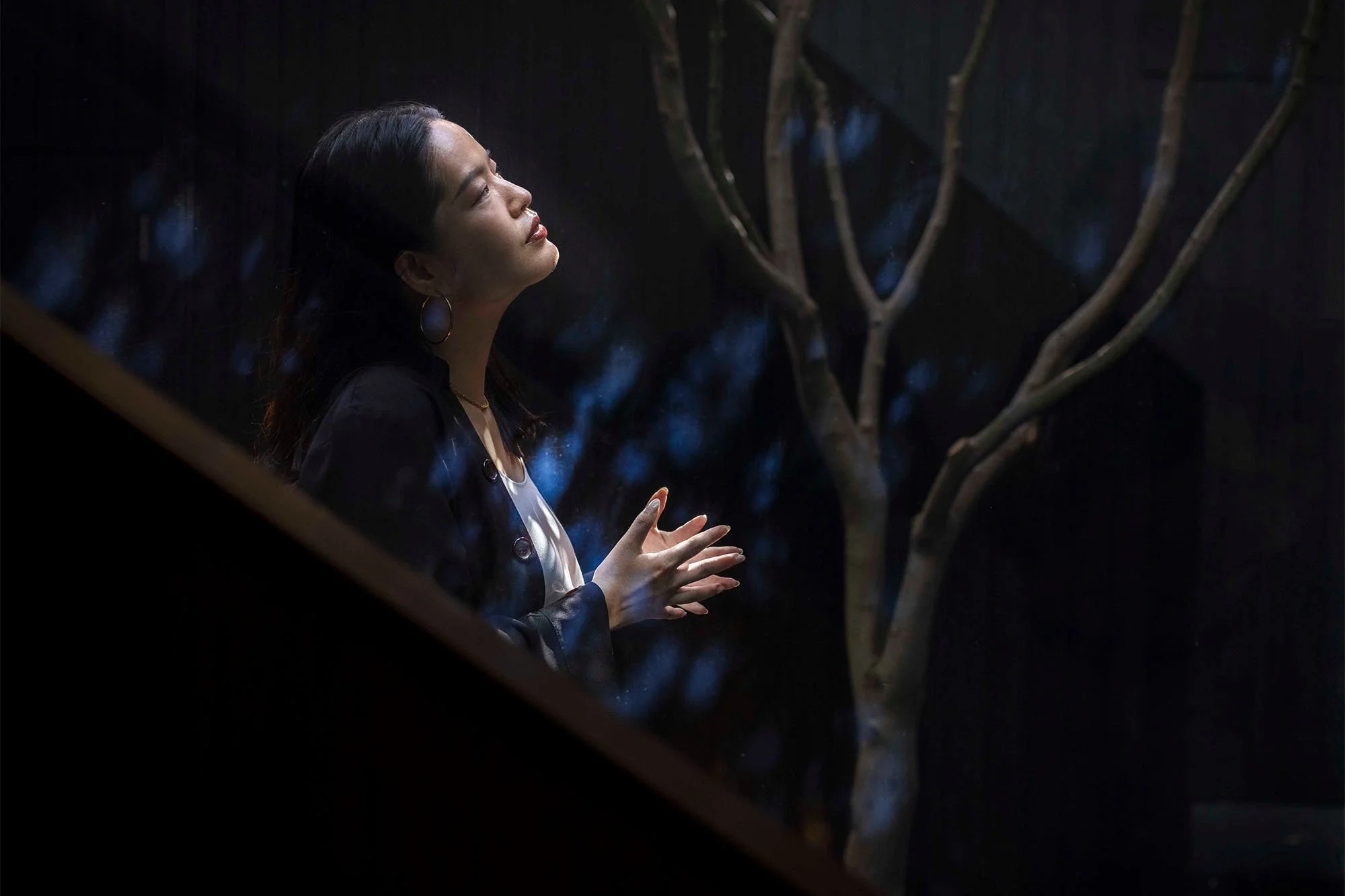
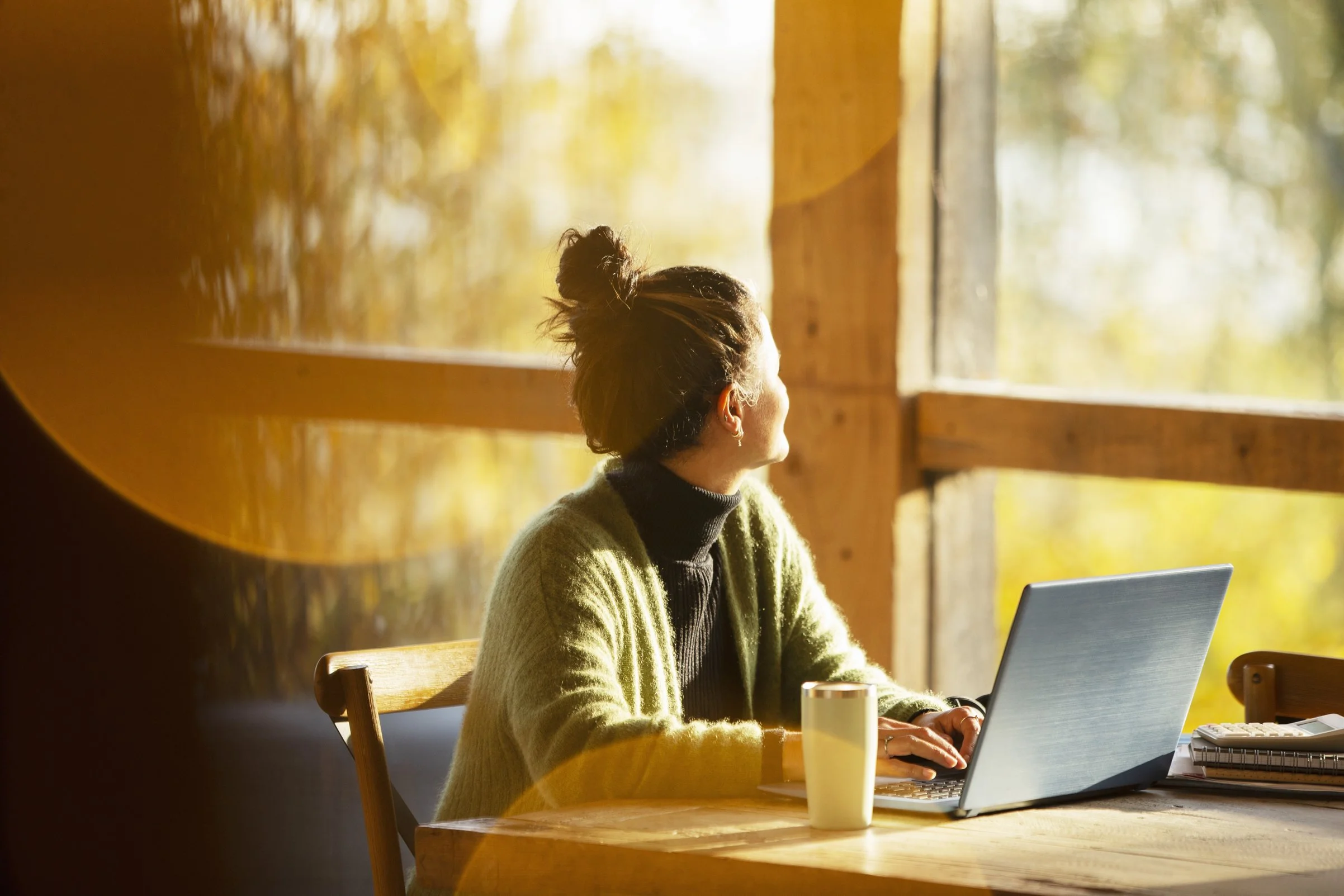
The locations carry real texture as a result: a converted timber-framed workspace, a woodland clearing with a stream running through it, a glass-walled boardroom above the City of London, a green-glass pavilion where reflection and colour cast become part of the composition itself.
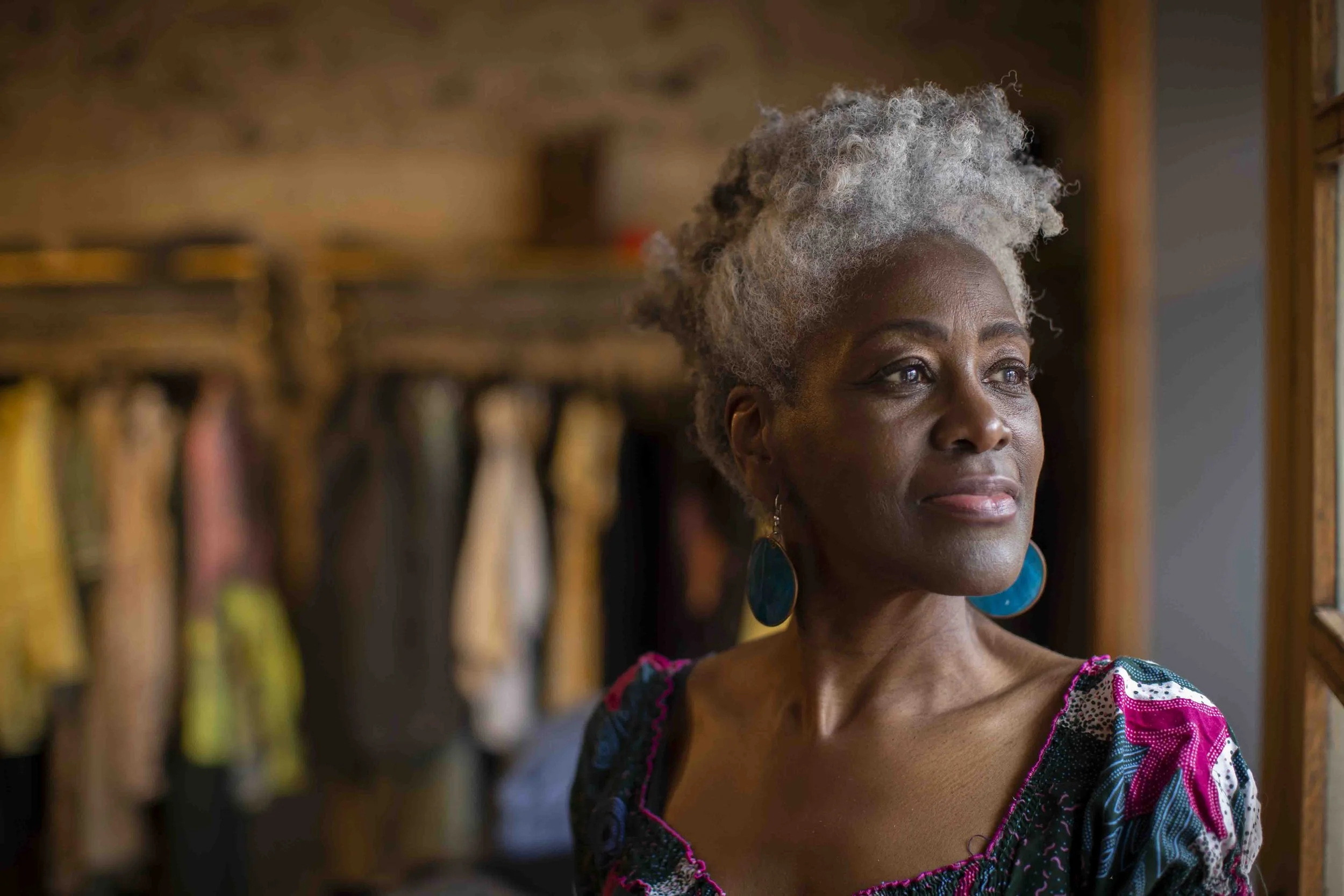
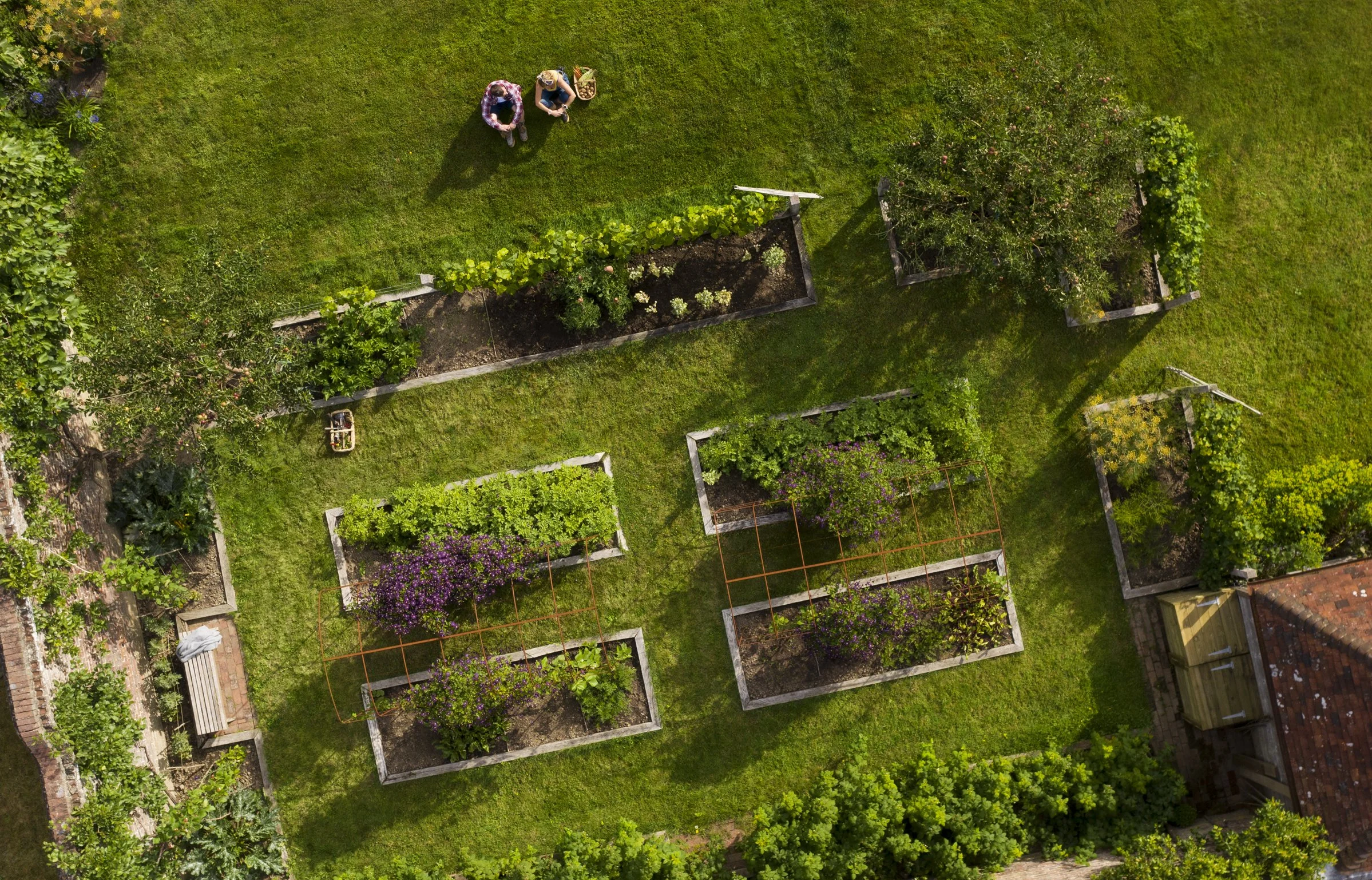
Casting matters just as much. A woman deep in concentration at her laptop, a barista's unguarded smile, a potter absorbed at her wheel, a shopkeeper closing a sale with quiet warmth: these aren't models performing "lifestyle," they read as people, which is exactly what makes the imagery sell and endure.